Protecting Your Smile During Holiday Travel: Oral Care Tips for Trips Near and Far

December 23, 2025

December is one of the busiest travel months of the year. Whether you’re flying across the country, taking a cozy road trip, or simply bouncing between family gatherings, travel can easily disrupt your daily routines—including your oral care habits.


Between irregular schedules, sugary snacks, dry airplane air, and limited access to your normal bathroom setup, your smile can take a beating without you even realizing it.


Here’s how to keep your teeth healthy, clean, and comfortable no matter where your holiday adventures take you.


1. Pack a “Holiday Dental Go-Bag”

Having the right tools on hand makes all the difference. Prepare a small dental kit you can toss in your carry-on or purse.


What to include:

  • Travel-size toothbrush
  • Travel toothpaste (fluoride-based)
  • Floss or floss picks
  • Sugar-free gum
  • Compact mouthwash
  • A reusable water bottle
  • A small case for aligners or retainers (if needed)

Pro tip: Keep this kit pre-packed year-round so you never have to scramble before a trip.


2. Stick to Your Brushing & Flossing Routine

Busy travel days can make it easy to skip brushing—especially during red-eye flights or long drives. But keeping your routine intact is vital.


Quick tips to stay on track:

  • Brush and floss before you leave the house
  • Set phone reminders for morning and nighttime
  • If you forget to floss, floss midday instead of skipping entirely
  • Keep a toothbrush in your car for unexpected overnights

Consistency beats perfection!


3. Be Smart About Airport & Road-Trip Snacks

Traveling and snacking go hand-in-hand—but many common travel snacks are tough on your teeth.


Try to avoid:

  • Sticky gummies
  • Hard candies
  • Crackers and chips (cling to teeth like sugar!)
  • Sweetened coffee drinks
  • Soda

Smile-friendly swaps include:

  • Nuts
  • Apples or carrot sticks
  • Cheese
  • Sugar-free gum
  • Plain water

If you must indulge, rinse with water afterward to help wash away sugar and acids.


4. Stay Hydrated—Especially on Planes

Airplane cabins are notoriously dry, which can lead to dry mouth, a major contributor to cavities and bad breath.


Protect your smile by:

  • Drinking plenty of water before and during your flight
  • Avoiding alcohol and caffeine, which dehydrate you
  • Using sugar-free gum to stimulate saliva
  • Carrying a refillable water bottle

Good hydration is one of the easiest ways to protect your teeth while traveling.


5. Keep Your Aligners or Retainers Safe


If you wear clear aligners or a retainer, travel increases the risk of misplacing them.


To avoid accidents:

  • Never wrap aligners in a napkin (they will get thrown away!)
  • Use a brightly colored case so it’s easy to spot
  • Clean your aligners with cool water—never hot
  • Always pack a backup case

If you lose an aligner, contact your dental office right away for next steps.


6. Prepare for Dental Emergencies—Just in Case

No one wants a dental emergency during the holidays, but they can happen.


Know what to do if you experience:

  • A chipped tooth: Keep any pieces and call your dentist
  • A lost filling or crown: Temporary dental cement (found at drugstores) can help
  • Swelling or pain: Rinse with warm salt water and seek care if it worsens

If you’re traveling long distances, ask your dentist beforehand if they have recommendations for trusted providers in other cities.


7. Get a Pre-Travel Checkup (If Possible)

If you’re prone to sensitivity, gum issues, or cavities, scheduling a quick checkup before your trip can prevent problems from popping up while you’re away.

A cleaning or exam ensures you travel with peace of mind—and a healthy, fresh smile.


Travel Confidently This Holiday Season

The holidays are meant to be full of fun, family, and celebration—not dental problems. With a little planning and a few simple habits, you can keep your smile healthy no matter where the season takes you.


If you're heading out of town or want to ensure your teeth are in great shape for the holiday festivities, we’re here to help you prepare.


Schedule your pre-travel visit today and enjoy a stress-free, smile-friendly holiday season!


By Sondra Brady February 11, 2026
February is Children’s Dental Health Month, a perfect opportunity to focus on building strong, healthy habits for your child’s smile. Good oral health in childhood sets the foundation for a lifetime of confidence, comfort, and overall well-being. Whether your little one is just learning to brush or is already mastering their hygiene routine, these simple tips can help keep their smile cavity-free and shining bright all year long.
By Sondra Brady January 30, 2026
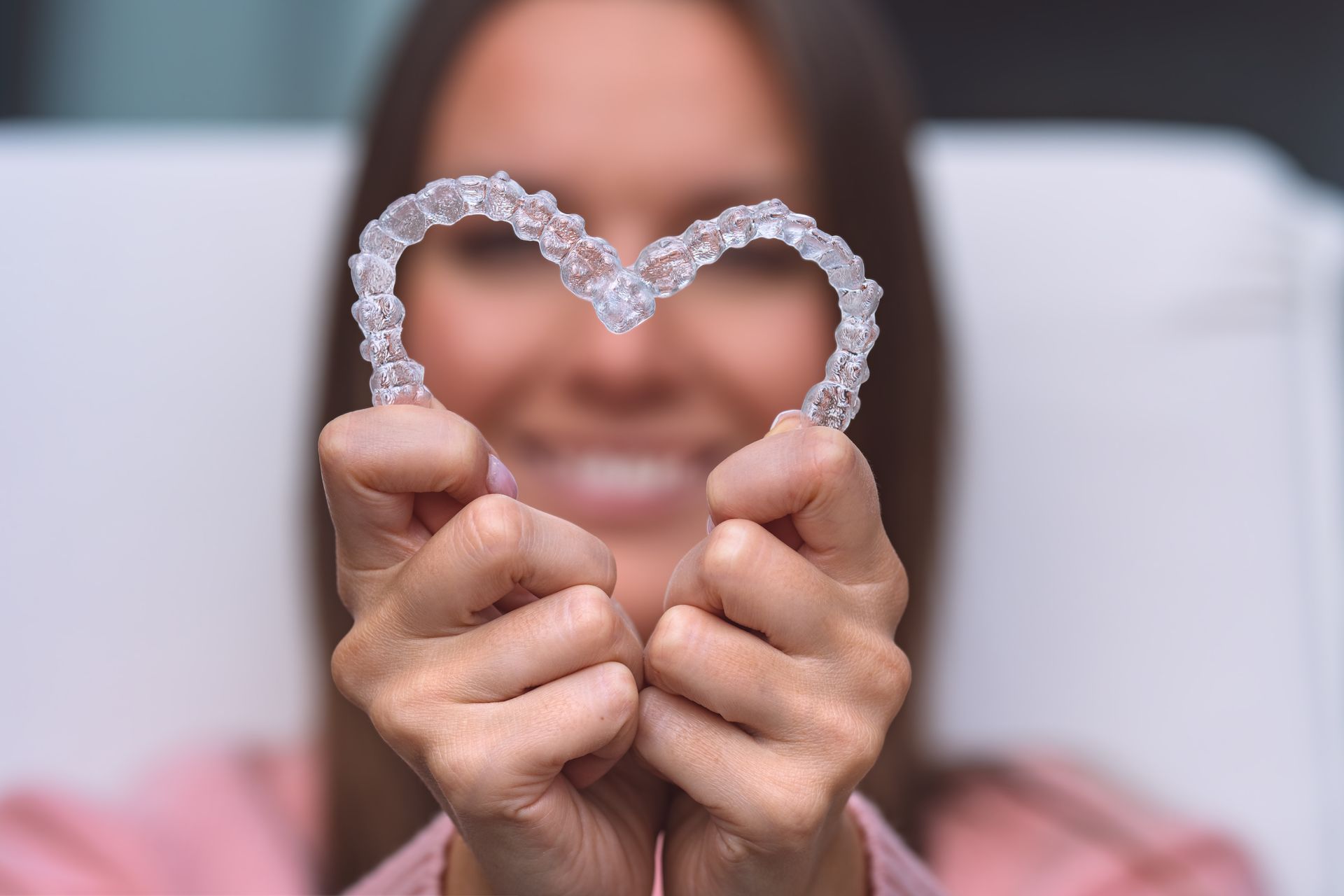
A new year brings fresh opportunities — new goals, new routines, and for many adults, a renewed focus on confidence and self-care. If you’ve ever thought about straightening your teeth, 2026 may be the perfect time to finally make that transformation happen. Clear aligners have become one of the most popular treatment options for adults because they fit naturally into busy lives, offering comfort, flexibility, and discreet results. Whether you’ve been thinking about orthodontics for years or you’re just beginning to explore your options, here’s why 2026 is shaping up to be an ideal year to start your smile-straightening journey.
By Sondra Brady January 21, 2026
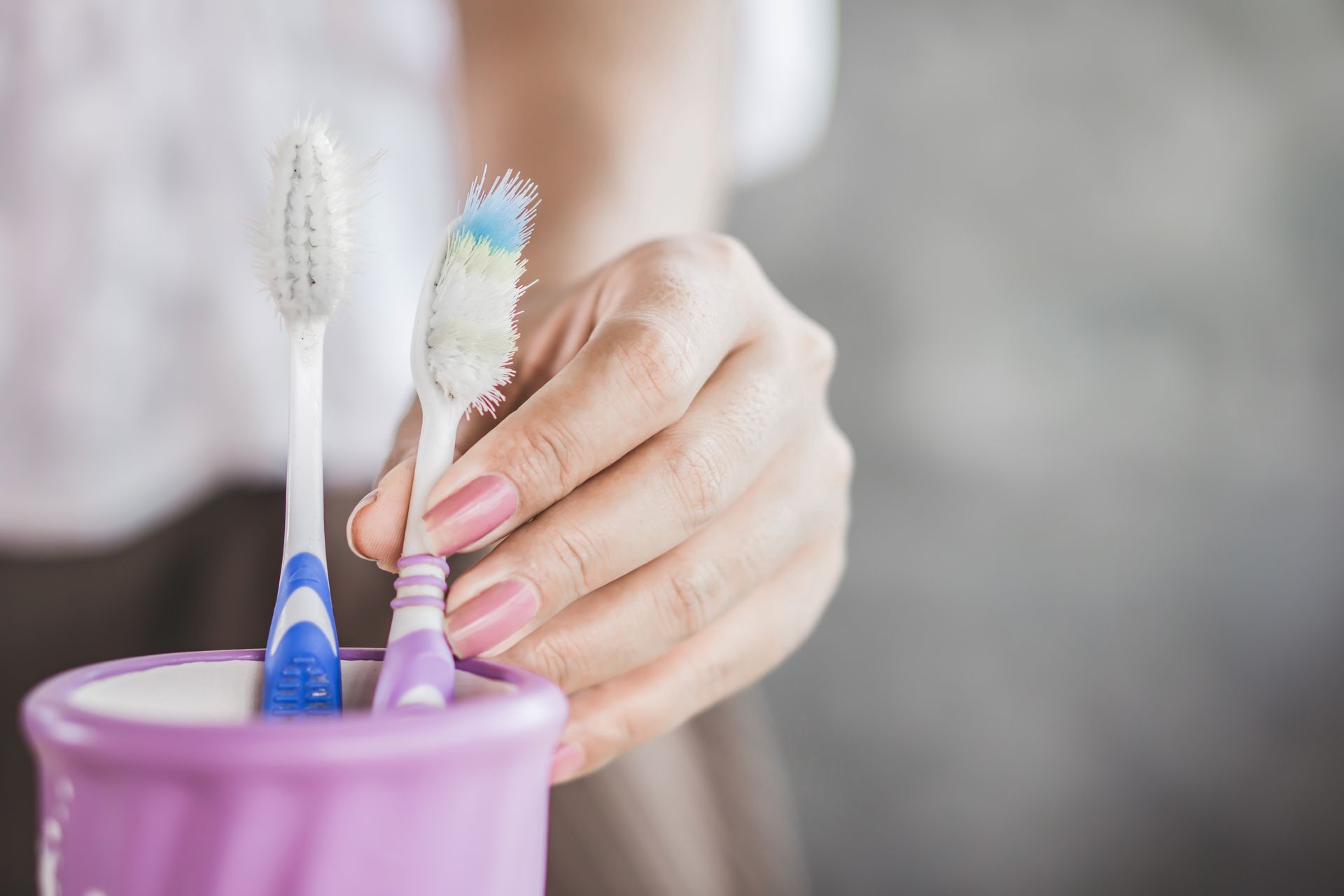
As we step into a new year, many people make resolutions to improve their health and daily routines. One simple change that can make a big impact on your oral health? Starting January with a fresh toothbrush. It’s an easy habit to remember — and one that sets your smile up for success all year long. 
By Sondra Brady January 16, 2026
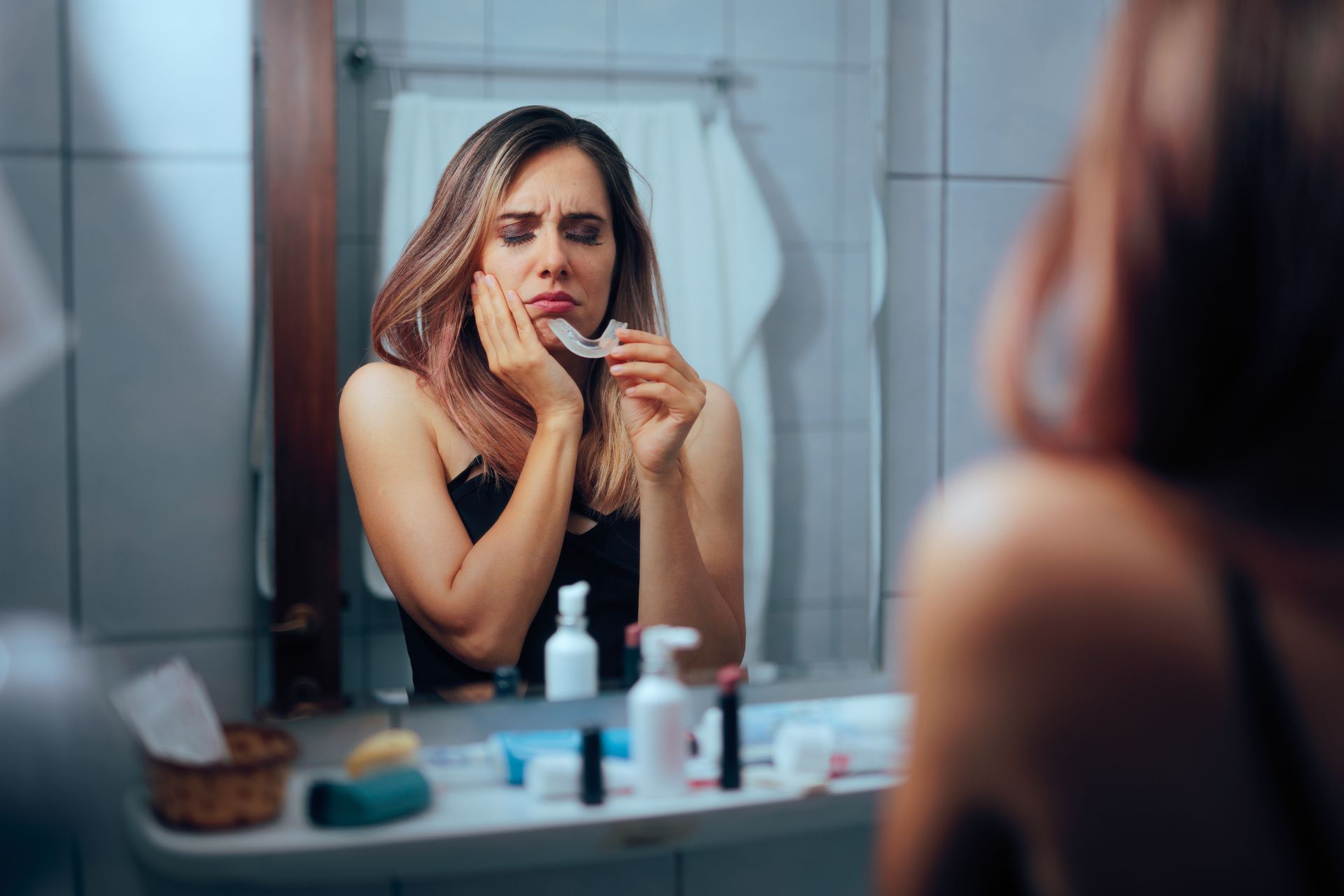
The holiday season is filled with celebration, fun, and family time — but it can also bring its fair share of stress. Between travel, hosting, gift planning, and a packed schedule, it’s no surprise that many people unknowingly carry tension into the new year. And one of the first places that tension shows up? Your jaw and your teeth. If you’ve recently noticed jaw soreness, morning headaches, tight facial muscles, or tooth sensitivity, you may be experiencing the after-effects of clenching or grinding — also known as bruxism. The weeks following the holidays are one of the most common times patients begin to feel these symptoms, making January a critical month for paying attention to your oral health.
By Sondra Brady January 8, 2026
With a new year comes new goals — and for many people, this includes improving their smile. Cosmetic dentistry isn’t just about aesthetics; it’s about confidence, comfort, and investing in your long-term oral health. If you’ve spent years wishing your teeth were whiter, straighter, smoother, or more symmetrical, this may be the perfect year to make that change. 
By Sondra Brady January 3, 2026
January is a time for fresh starts, new routines, and positive change. While many people focus on fitness or nutrition, one of the easiest — and most impactful — resolutions you can make is taking better care of your smile. The best part? You don’t need major lifestyle changes to see a difference. A few simple, realistic habits can dramatically improve your oral health throughout the year. If you’re ready for a healthier, brighter smile in 2026, here’s how to set achievable oral health goals you can actually stick to.
By Sondra Brady December 17, 2025
As the year comes to a close, most people start thinking about holiday plans, finishing last-minute errands, and preparing for the new year ahead. But there’s one important to-do that often gets forgotten — using your dental insurance benefits before they expire. If you haven’t scheduled your dental visit yet, now is the perfect time to make it happen. Most insurance plans reset on January 1st, and any unused benefits disappear for good. Here’s why it’s so important to take advantage of them before the year ends.
By Sondra Brady December 11, 2025
The holiday season is full of festive meals, sweet treats, and cheerful gatherings — but it’s also a time when your teeth face more sugar, more snacking, and more wear and tear than usual.  The good news? You can enjoy every cookie, every party, and every cup of hot cocoa without harming your smile. With a few simple choices, you can keep your teeth healthy all season long.
December 5, 2025
The holiday season is often described as the most wonderful time of the year—but between shopping, traveling, hosting, and juggling busy schedules, it can also be one of the most stressful. While many people know how stress affects the body, fewer realize it can have a major impact on oral health too. At a time when cookies, cocktails, late nights, and extra to-do lists are the norm, taking care of your smile becomes more important than ever. Here’s how holiday stress may be affecting your teeth—and simple ways to protect them.
By Sondra Brady January 12, 2023
February is Gum Disease Awareness Month. Gum disease is an infection of the gums that is typically caused by poor oral hygiene. Although this condition can potentially cause tooth loss, the early stages are often painless. Therefore, individuals can live with gum disease for years without noticing any symptoms. Attending annual exams gives your dental team an opportunity to catch gum disease as early as possible and help stop its progression. Symptoms of Gum Disease: Bleeding gums Red gums Receding gums Swollen gums Bad breath Foul taste in mouth Loose teeth Changes to bite alignment Change in partial denture fit Gingivitis Gingivitis is the first stage of gum disease and the simplest to treat. Patients with gingivitis may have red, swollen gum that bleeds easily. However, many gingivitis patients are unaware of their condition until receiving a formal diagnosis. This stage of gum disease is often reversible with proper care. Treatment for gingivitis often includes professional hygiene cleanings, prescription mouthwash or toothpaste, and excellent daily oral hygiene. Periodontitis Periodontitis is an advanced stage of gum disease. According to the Centers for Disease Control and Prevention, periodontitis affects 47% of US adults over age 30. If left untreated, this condition can cause tooth and bone loss. Gum disease is known for its slow progression, but rapid periods of advancement can occur. Professional dental hygiene cleanings, medications, and surgery are effective treatment methods for periodontitis patients. It is also essential for patients with periodontitis to commit to a diligent oral hygiene routine to manage their condition. Risk Factors for Gum Disease: Tobacco use Diabetes Poor oral hygiene Pregnancy Genetics Certain medications Although there is no conclusive link between periodontal disease and systemic diseases, research has collected data to support that gum disease may be associated with certain health conditions, including heart disease, diabetes, Alzheimer’s disease, cancer, respiratory disease, and stroke. Prevention Exceptional at-home oral hygiene and regular preventative dental care are the most effective methods to prevent gum disease. Your daily oral hygiene routine should include brushing your teeth twice a day for two minutes, cleaning the tongue twice a day with a brush or tongue scraper, and flossing daily. In addition, ensure you receive a professional dental cleaning twice a year and at least one dental exam annually. If we detect any signs of gum disease at your preventive visits, we will design a treatment plan to stop the progression and avoid chronic side effects.